|

JOIN THE SYNERGY MOON ORBITAL SPACELAB PROJECT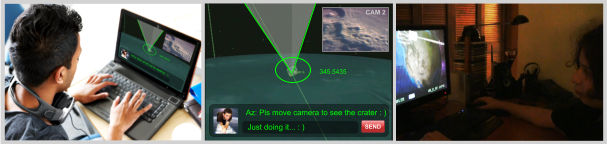 Synergy Moon Partners with Harpy AerospaceSYNERGY MOON is an eccentric, electrifying merge of the arts and sciences, a collaborative of artists, adventurers, explorers, educators, scientist and engineers. We bring together celebrity artist and adventurers to focus public attention on our projects and activities. Synergy Moon signed up for the Google Lunar X PRIZE in 2008 as a way to focus attention on educational and humanitarian activities, with the notion to bring arts and humanities into space, and as a vehicle for bringing interested students and adults together with new space companies to participate in a space exploration and development project. Out of 29 teams ours was one of only five finalists. Harpy Aerospace is part of the Synergy Moon Collective. Harpy Aerospace is a privately held company based in Chennai, India and engaged in research and development of Nanosatellites, human space flights, design, analysis, and production of high-tech components for spacecraft. Synergy Space is our collaborative participatory space program. Synergy Space will provide a resource for citizen scientist, hobbyist, teachers and students for Science, Technology, Engineering, Arts and Mathematics (STEAM) educational programs. This project builds our communications and operations infrastructure, starting with the Remote Controlled Orbital Space Telescope (RCOST) NanoSat, designed by the Synergy Moon Collective and built and operated by Harpy Aerospace, which will provide a flight asset focus for our communications and operations network development. This network will consist of radio operators around the world, communications Teleport facilities, including some that have not been fully utilized since the Apollo era, and operations control centers where our mission control teams and exploration partners will interact with space based assets like NanoSats, planetary landers, rovers and other spacecraft. The Remote Controlled Orbital Space Telescope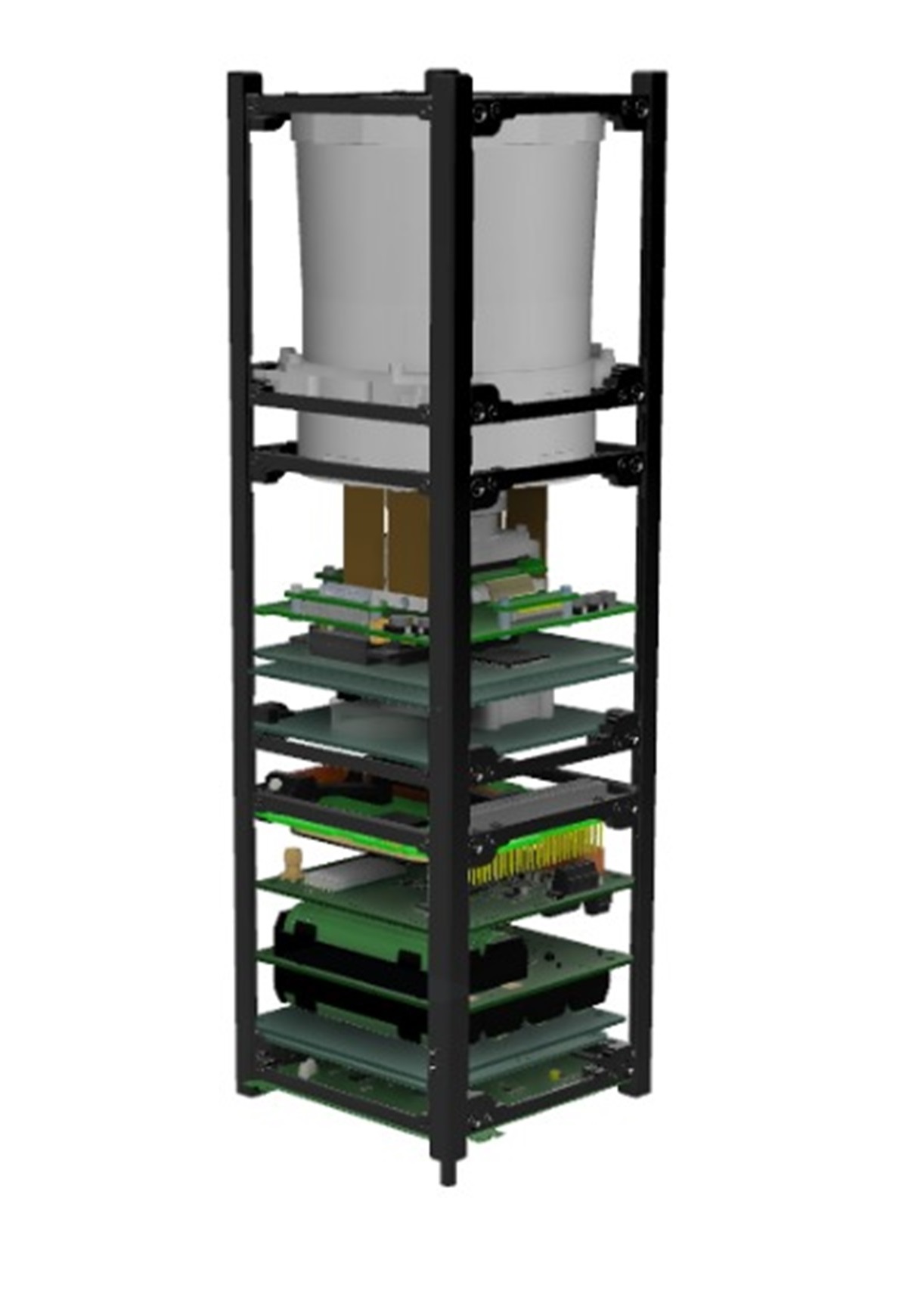 This is the first space asset of our Synergy Space system for public access to space, the Orbital Space Telescope. RCOST LX1 carries a diverse set of five integrated payload systems to demonstrate life sciences, spectroscopy, radiation measurement, and multi-mode imaging in LEO:
This modular payload architecture enables RCOST LX1 to function as a multi- role research platform, supporting experiments in biology, pharmacology, space environment monitoring, and imaging-based outreach. This is the start of our participatory space program, and here is your opportunity to participate, to get involved in space research, exploration and development. Our space program, Synergy Space, will be accessible via smart phones and tablets, personal computers and specialized virtual reality interfaces. Synergy Space virtual simulations will provide users with not just the data, but the experience of exploring outer space. RCOST LX1 Is The First Private Orbital Space Platform Available For Public Access!Our Synergy Space AstroKits will provide you with hardware and software tools for simulation, accessing our spacecraft, programming onboard computers for experiments, observations and Astro-Photography, some sample activities and spacecraft operations guides. The AstroKits will interface with archived data from past space probes and live data from orbiting NanoSats. NanoSats are like the killer app of space, affordable for individuals and small groups, with something for everybody from scientist and researchers to hobbyist and space enthusiasts. Besides our RCOST-LX1, We will provide access to some current and future orbiting NanoSats and space probes. There are several versions of these AstroKits, which will be available a few months before the launch of RCOST-LX1. Contact us to pre-order AstroKits for yourself or your organization! |


| Home |